21 idees d’un psicòleg per conviure millor amb l’ansietat
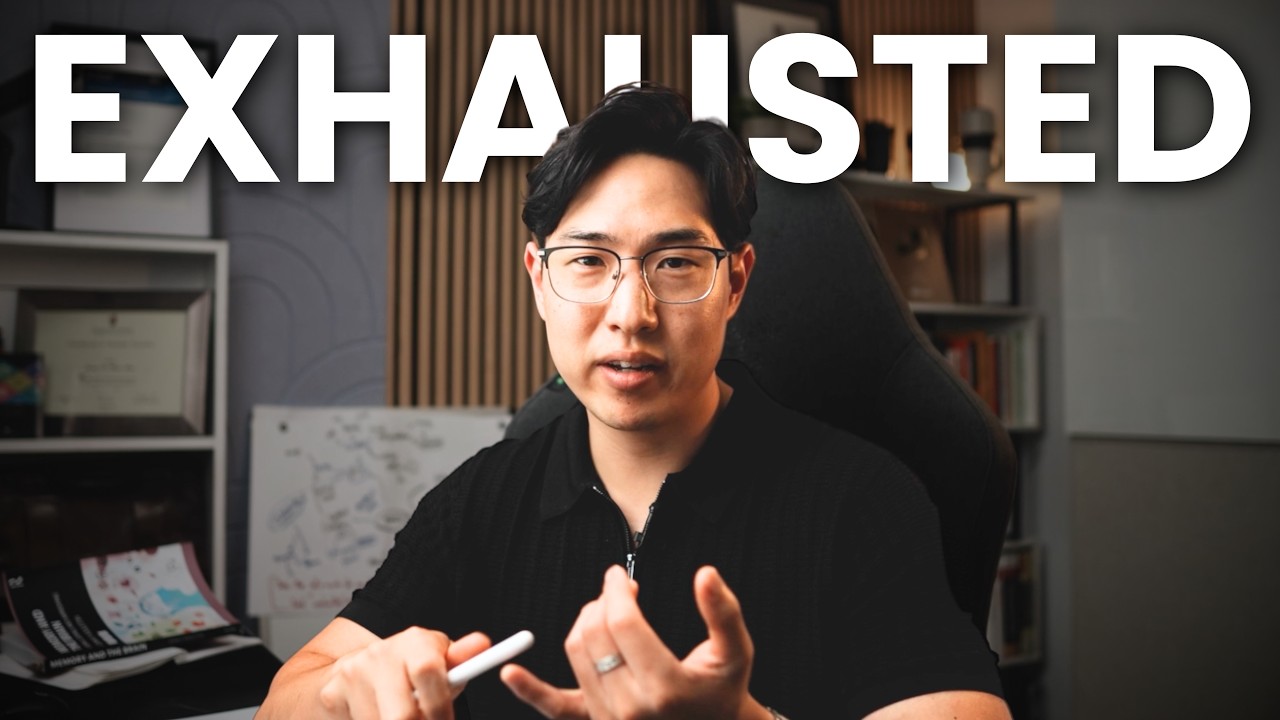
El psicòleg Thomas Smithyman resumeix vint anys de pràctica: acceptar l’ansietat, reduir l’evitació, tolerar la incertesa i buscar suport.
L’objectiu no és obligar-se a estar tranquil
El psicòleg clínic Thomas Smithyman condensa vint anys de treball amb l’ansietat en vint-i-una idees. La primera canvia el marc de tota la resta: si una persona necessita que l’ansietat desaparegui abans de viure, l’ansietat decideix. Es pot preferir la calma, però convertir-la en una condició obligatòria reforça la vigilància sobre cada sensació.
La proposta és continuar amb allò que importa encara que hi hagi incomoditat. Això no significa negar el patiment ni suportar qualsevol situació. Significa deixar de mesurar cada decisió preguntant si ja ha arribat l’estat emocional perfecte.
Smithyman afegeix que el diàleg intern ha de semblar-se al d’un bon entrenador. La vergonya i la humiliació mantenen el sistema d’amenaça activat; el suport no elimina l’exigència, però recorda que equivocar-se forma part de l’aprenentatge. També suggereix reinterpretar part de l’activació com energia pròxima a l’entusiasme: totes dues poden accelerar el cor, però orienten l’atenció cap al risc o cap a l’oportunitat.
Apropar-se a la incomoditat en dosis petites
L’evitació ofereix alleujament immediat i, alhora, ensenya al cervell que la situació era massa perillosa per afrontar-la. Amb el temps, el món disponible es fa més petit. L’antídot que presenta el vídeo és acostar-se gradualment a allò que fa por, amb passos tan petits que permetin aprendre sense quedar completament desbordat.
Smithyman ho anomena “microdosificar la incomoditat”. Una exposició enorme que acaba en bloqueig pot confirmar la idea que la persona és incapaç. Una escala progressiva permet acumular experiències tolerables. En teràpia, aquesta lògica s’adapta al tipus d’ansietat, als riscos reals i a la situació de cada pacient; no consisteix a llançar-se sense preparació a qualsevol por.
Una altra distinció útil és dir “estic experimentant ansietat” en lloc de “soc ansiós”. La primera frase separa la persona de l’estat momentani. Les emocions s’assemblen a onades: pugen, arriben a un pic i canvien. Observar les sensacions sense colpejar simbòlicament l’onada pot fer més fàcil travessar-la.
Actuar sense garanties i confiar en el jo futur
Bona part de l’ansietat busca certesa absoluta. Smithyman recorda que la vida no l’ofereix i que esperar fins que desaparegui tot risc pot ajornar indefinidament les decisions importants. La resposta no és assegurar que tot sortirà bé, sinó confiar que, si alguna cosa surt malament, es podrà afrontar amb els recursos disponibles.
La metàfora dels incendis ho resumeix: preocupar-se constantment és com caminar pel bosc llançant aigua a tot arreu per si un dia hi apareix foc. Consumeix energia abans que existeixi un problema concret. La idea és reservar-la per als incendis reals i permetre que el jo futur resolgui les dificultats quan arribin.
El vídeo també interpreta la hipervigilància com una estratègia de supervivència apresa. Un sistema nerviós sensible pot haver estat útil en un entorn anterior i continuar actuant com si res hagués canviat. En lloc d’enfadar-s’hi, Smithyman proposa mostrar-li gradualment que la persona adulta disposa de més coneixement, opcions i capacitat de resposta.
Deixar que l’ansietat vingui sense lliurar-li el volant
Quan apareix l’ansietat, el psicòleg planteja dues respostes útils: deixar-la al fons mentre es continua vivint o acostar-s’hi amb curiositat per entendre què necessita. La resposta que considera contraproduent és iniciar una lluita urgent per expulsar-la, perquè l’esforç confirma que la sensació és intolerable.
La mateixa lògica apareix en dues idees més: no esperar a sentir-se bé per actuar i “endur-se l’ansietat”. La tensió, els pensaments accelerats o el batec intens poden acompanyar una acció sense decidir-ne el resultat. La confiança no sempre neix d’evitar que passi res dolent; sovint neix de comprovar que es pot sobreviure a una dificultat i recuperar-se.
Aquest missatge necessita context. Acceptar una emoció no vol dir ignorar símptomes mèdics, romandre en perill o abandonar l’atenció professional. Tampoc totes les pors s’han d’exposar sense supervisió. La utilitat és trencar la regla interna que exigeix absència total d’ansietat abans de fer un pas segur i valuós.
Protegir l’atenció: contingut, preocupació i respiració
Smithyman recomana observar què es dona cada dia al cervell. Consumir de manera contínua contingut basat en crims, catàstrofes o amenaces pot mantenir disponibles exemples de perill i alimentar preocupacions concretes. No proposa viure desinformat, sinó revisar si la dieta mediàtica està augmentant una por que ja interfereix en la vida.
Per evitar que una preocupació ocupi tot el dia, suggereix assignar-li una franja. Quan apareix, s’anota i s’ajorna fins al “temps de preocupar-se”. No és fingir que no existeix: és decidir quan se li donarà atenció. Quan arriba l’hora, moltes idees han perdut urgència i les que continuen sent importants es poden examinar amb més deliberació.
La setzena idea simplifica la meditació: comptar cinquanta fases de respiració, una xifra per inspirar i la següent per expirar. Si la persona perd el compte, torna a començar. Detectar que la ment havia marxat no és un fracàs; és precisament l’habilitat que s’està practicant. Si centrar-se en la respiració augmenta el pànic, es pot escollir un punt extern o demanar orientació clínica.
Relacions que regulen o mantenen l’alerta
El vídeo dedica diverses idees a l’entorn social. Una relació en què qualsevol error pot provocar crítica o explosió manté el cos preparat per al següent impacte, encara que el moment actual sigui tranquil. Smithyman convida a valorar el cost emocional i a buscar persones amb qui no calgui fer-se petit per conservar l’aprovació.
La metàfora dels “guàrdies de la inseguretat” descriu un filtre injust: rebutja els elogis com a casualitat o cortesia i deixa entrar qualsevol crítica amb tracte preferent. El canvi no és acceptar cegament tot el positiu, sinó aplicar un criteri semblant a proves agradables i desagradables.
No agradar a tothom també pot funcionar com un filtre. Quan algú no connecta amb la identitat real d’una persona, aquesta informació allibera temps per a relacions més recíproques. Alhora, la força no consisteix necessàriament a callar. Compartir el que es sent amb persones que han guanyat confiança pot aportar suport, proximitat i regulació.
Reescriure el relat sense fabricar optimisme
L’última idea és recuperar els drets sobre la pròpia història. Els mateixos fets poden organitzar-se com una prova d’endarreriment o com el recorregut d’algú que explora una ruta difícil; com un fracàs final o com l’obstacle que obliga a aprendre. Smithyman no demana convertir qualsevol dolor en una història feliç, sinó reconèixer que el marc influeix en l’experiència de viure’l.
Les vint-i-una idees formen una direcció coherent: menys lluita contra les sensacions, menys evitació, més tolerància a la incertesa i més acció vinculada als valors. L’Organització Mundial de la Salut assenyala que les intervencions psicològiques, especialment les basades en principis cognitivoconductuals i exposició, són tractaments essencials per als trastorns d’ansietat. Les guies NICE també recomanen una atenció escalonada segons gravetat, preferències i impacte.
El vídeo és educatiu i no pot determinar quin enfocament convé a una persona concreta. Quan l’ansietat és persistent, provoca evitació important, deteriora el son o la feina, genera atacs de pànic o s’acompanya de depressió, cal consultar un professional sanitari. Les idees de Smithyman poden donar llenguatge i exercicis; el tractament ha d’adaptar-se a la història, el diagnòstic i les necessitats reals.
Contrast i context
Fonts consultades
-
01
YouTube — Dr Thomas Smithyman 20 Years of Anxiety Treatment in 15 Minutes
-
02
YouTube Canal de Dr Thomas Smithyman
-
03
Organització Mundial de la Salut Trastorns d’ansietat: dades, símptomes i tractament
- 04
Font de treball
Transcripció amb marques de temps
Consulta la transcripció
-
0:00
, obre el vídeo en una pestanya nova
I'm a clinical psychologist trained as an anxiety specialist, and I've helped thousands of people overcome their anxiety over the last 20 years. Both through my sessions, and also through my book. So there's a lot I've learned that I want you to know. So here are 21 truths about anxiety that'll change how you think and how you live. Let's go. One, if you need anxiety to leave, it is in charge. You're not. Think of anxiety like an annoying housecast. If your day depends on them leaving, then they're calling the shots. But if you can say, yep, I feel it. It's uncomfortable, but I can live my life anyway. Then you're back in control. You're allowed to prefer feeling calm, sure. But don't operate like you must feel calm. So practice being that good coach and saying supportive things to yourself. Imagine you're a kid and every time you mess up the coach yells at you. Well, you're going to be anxious all the time, right? Well, that's what harsh self-talk does. We think it helps to motivate ourselves. But mostly it just keeps us on edge. So the bad coaches, they dominate through fear and shame. The good coaches, they still challenge us to improve. But they do support with kindness and a belief in our ability to grow. They let you know, yeah, mistakes are part of learning, and you're still worthwhile.
-
1:22
, obre el vídeo en una pestanya nova
Anxiety eases when you treat yourself like someone worth supporting. Three. Anxiety and excitement are siblings. Anxiety and calm, they sit on opposite ends of the nervous system. Once is act, the other one says rest. So try to jump from one to the other. It really works too far. But anxiety is a sibling. Excitement. They feel almost the same in the body, right? The same sort of heart rate, the same energy. But whereas one focuses on the risks, the other focuses on rewards. So when an anxiety shows up, don't try to clamp it down. Transform it. Ask, what can I gain from facing the situation? What can I learn? How could going through this make me stronger? You don't need to slow down calm down. You need to aim that energy you have in a better direction. Number four. Micro dose discomfort. Anxiety does it's real damage by making you avoid what feels uncomfortable. But pulling back again and again only makes your world smaller. So the antidote? Well, you have to move towards what scares you. But not all at once. So a common problem that I see people make is they try to take a big leap towards their fear. And it overwhelms them, they freeze up. And then they think, well, I guess I can't do it. But the problem wasn't them, it was the size of the step. So start small, like really small. Micro dose to discomfort.
-
2:56
, obre el vídeo en una pestanya nova
Feel a little of it and then get used to it. Then repeat. It feels minimal, right? But you are building tolerance. And I've seen it again and again. If you keep going, you'll be amazed when you turn and look back. And see how far you've come. Five. You're not anxious. You're a person currently experiencing anxiety. That difference matters because when you identify with the anxiety, when you only see the world through its eyes, it gains power. But when you say, I'm having anxious thoughts popping or I'm feeling the sensations of fear through my body. You create distance and space. And you take your power back. You aren't anxious. You are the person observing the anxiety. Six. Emotions or waves. Suffolum. Picture me out in the ocean. I like calm water. So when or wave comes, I start punching it and then it just takes me and dumps me under. But what if instead, I get on a surfboard and I ride that wave? Well, everything shifts. Emotions are waves also. They rise, they peak, and then they fall if you don't fight them and you just observe. When anxiety comes, feel the sensations as they move through your body. Watch them as they change. They always change. Life gets a lot easier when you stop resisting and you start riding the wave. Seven.
-
4:30
, obre el vídeo en una pestanya nova
Waiting for the risk to disappear. Act without guarantees. Life is unpredictable. The things that actually go wrong are rarely the ones you are bracing for. You kind of race all risk before you act and trying to, we'll just keep your world small. Instead, you learn how to keep going even with uncertainty and how to sit with the emotion that comes when things don't go your way. You can spend your whole life waiting until things still safe, but life never gives full guarantees. Even when you plan perfectly, most of what actually goes wrong is stuff that you never saw coming. You can't wait until the risk has gone. Or you will never take the steps that matter. The work is learning to act anyway. Even when things feel shaky. That is how you make progress. So show up anyway. Show up before you're ready. 8. Stop putting out fires that aren't burning. Picture this. You're stomping through the woods, dumping buckets of water everywhere. A fray of the damage that a fire might do. But, you don't actually know where the fire will be. Or if they'll even be one today. That is a lot of wasted time, energy and stress. And that is what worried us. Most of what we fear never happens. And the real problems? Well, we can trust our future selves to handle them when they come.
-
5:52
, obre el vídeo en una pestanya nova
So save your water for real fires. 9. You don't know what will happen. And that's okay. So much anxiety comes from trying to be sure. To eliminate all doubt, all risk, all unknowns. But, certainty isn't something we get to have. What we can have is a mindset that says, Yes, I don't know what will happen. I prefer X would happen. But if Y happens, I will find a way to cope. And that will make me stronger. That's not giving up control. That's building confidence where it really matters. 10. Your anxious because you learned how to survive. If you have a sensitive nervous system like me, it's not your fault. It likely learned to stay alert because it had to. In order to keep you safe in the world you grew up in. That hyper awareness probably helped you survive. But the problem now is that it hasn't caught up to present day. It still thinks that you're in that same old environment. So instead of getting mad at it, help it update, show it gently that life is different now. And so you, you're more mature. You have more tools. You've got more experience and more knowledge than you used to. You're not a kid anymore. 11. Let anxiety be. Or befriend it. Just don't fight it. When anxiety shows up, there are three possible ways you could respond.
-
7:18
, obre el vídeo en una pestanya nova
To a good one is bad. You can let it just be there. Newtrol. No big deal. Just let it hang out in the background while you go about living your life. It'll fade when it's ready. Or you can go one step further. Turn towards it. Get curious. Ask what it needs. That kind of kindness actually quiantes it down over time. So the only bad option, fighting it, trying to shut it down, only makes it louder. So for most people I work with, the real healing starts when we stop treating anxiety like an enemy. And we start seeing it as a part of ourselves that we don't have to fear and we don't have to fight. 12. Don't wait till you feel good. Just take anxiety with you. A lot of people wait until the anxiety goes away before they do the things that matter to them. But that moment often never comes. The truth is, you can feel all of those sensations, the tension that racing thoughts and still take the step forward. Anxiety is only a problem when it makes you choose to stop. So don't stop. Just bring it with you. 13. You don't need to avoid it. You need to survive it. Anxiety always exaggerates the risks. So you might end up feeling a bit safer if you would take a chance and then nothing goes wrong.
-
8:42
, obre el vídeo en una pestanya nova
But your brain still says, yeah, but what if it goes wrong next time? But if instead when you face the fear, it does go wrong and yet you get through it, something shifts. You stop meeting things to go perfectly because you've shown yourself you can handle it. So confidence doesn't come from avoiding the fear outcome. It comes from surviving it. So don't avoid the hard stuff. Train for it. That's how anxiety starts to lose its power. 14. Be careful what you feed your brain. If you ate poison every day, you would not be shocked when your body gets sick. But a lot of us do the same thing with our minds, right? We're constantly feeding it anxious, fear-based content. Anxiety is a lot easier to create than it is to extinguish and calm down. Once we get it running, it wants to just keep on running, right? So let's stop feeding it. I've had clients who've come in, telling me they're terrified of home invasions all of a sudden, and it turns out they've been binge watching crime shows all week. Your brain learns what's dangerous and how to react by what you show it. So let's be deliberate about what you feed it. And you know, maybe try a cleanse. 15. Give your worry a time slot.
-
10:06
, obre el vídeo en una pestanya nova
Most of us stress about things the second that they pop into our heads, just because that's when it's showed up. But we know that the more total time you spend spinning on worries, the more anxious you'll get. So here's a fix. Set a daily worry time. Like literally a slot in your schedule. When worry hits, don't just dive into it. Say, ah, cool. I will think about this during worry time. You can write it down if you need to, but you're not ignoring it. You're just rescheduling it. And often when that time rolls around, a lot of the time it won't actually feel that important anymore. You'll be asking yourself, wait, why did I care so much about this when it popped up? 16. Don't meditate. Just count to 50. You've probably heard meditation helps with anxiety. But for a lot of people looking to feel too complicated or overwhelming to actually follow through on. So let's make it simple and actually useful. Here's what you do. Count your breaths. One on the inhale, two on the exhale, breathe on the inhale, four on the exhale, and go all the way to 50. If you lose count, then you know that you were lost in thought. And catching that is the whole point.
-
11:25
, obre el vídeo en una pestanya nova
So, start again at one, go to 50. The counting itself makes it hard to think and reminate. And monitoring the breath forces your attention back to your body. So you will breathe better. You also think less and you'll feel more in control. 17. The wrong people keep you on edge. If you have to stay small to avoid criticism, if one wrong move can set somebody off, then your threat system will always stay on. Like it doesn't matter how calm things are right now at the moment. You're brain is still bracing for that next hit. And yes, we'll accept you probably get something out of that relationship, or those relationships. Maybe they're fun or exciting or like really kind when they're in a good mood. But despite that you're paying for it emotionally, it's not worth trading your worth to their approval. The right people don't make you shrink. They help you expand. They help you settle and become more like yourself. 18. Fire your insecurity guards. So it has security guards us supposed to keep the trouble makers out and let the right people in. Well, I find a lot of us have hired insecurity guards instead. They deny the positive things that happen. Oh, it's just luck. Oh, they were just being polite. Oh, they don't know my flaws yet.
-
12:52
, obre el vídeo en una pestanya nova
But when criticism or anything negative shows up, they're like, oh, hey, VIP access, come right in front row. Kind of get you some bottle service and some sparklers. These guards aren't protecting you. They're keeping you insecure. You don't need tougher guards. You need fair ones. They're kind that treat you like someone worth protecting. They're the good stuff in. You need that to grow. 19. Thank them for opting out. You can't be liked by everyone. Then honestly, we don't have time for everyone. So own who you are and show people that let them filter themselves in or out. And when someone filters themselves out, just say silently to yourself, thank you for showing me you're not one of my people. All the best. That frees up your time, your energy and your attention for the people who do get you and who actually deserve it. 20. Real strength is letting people in. We often think staying silent is strong, but most of the time, I find that it's driven by fear. It's a fear of judgment or fear of rejection. But hiding how you feel doesn't help, research shows that suppressing emotions actually raises a blood pressure and it keeps us from getting the support we need. The key, of course, is choosing the right people, the ones who've earned your trust and then giving them a chance to show up for you.
-
14:17
, obre el vídeo en una pestanya nova
When we open up something shifts, people feel closer to us, they like us more, we like them more, and they often start opening up too. But support helps regulate your nervous system. So find people who get you and talk to them. 21. Own the rights to your life story. Most people don't notice they've already written a story about their life. They just assume it's a truth, but in reality, the same combination of all these different experiences can be seen as entirely different stories, depending on how you frame it or where you place the camera. Like, are you behind in life? Or are you actually a rebel who is bravely exploring a new and difficult path? Did you fail? Or is this the point in your story art where they hear a face as an obstacle they have to learn to overcome? You don't have to force optimism here, just recognize that how you organise the pieces of the story of your life shapes how it feels to live it. This video covers 21 insights, but it's only part of the full list that I wrote. If you want the complete set to keep click the link below. Okay, that is one piece of the puzzle, to keep going watch this video next.