Com deixar de fer scroll: quatre canvis perquè el dia sigui més interessant que el mòbil
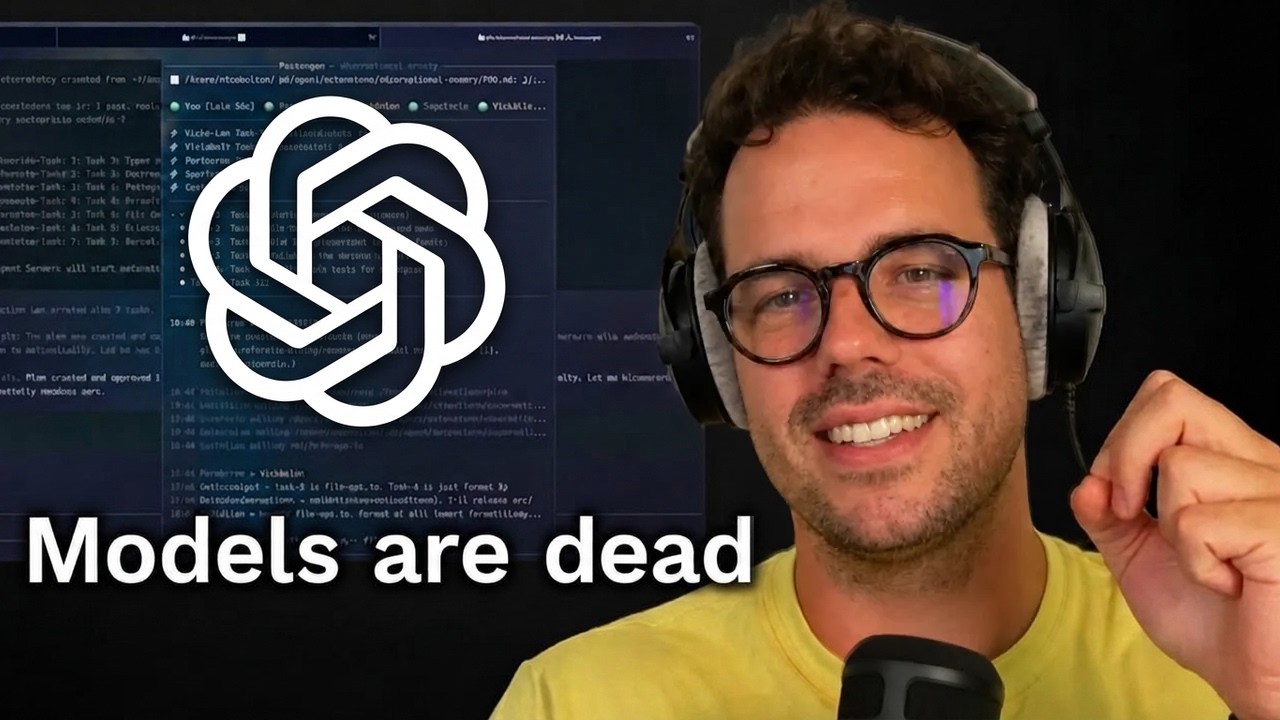
Timofey proposa substituir el scroll per plans concrets, més fricció per obrir les xarxes, activitats a l’exterior, converses sense mòbil i un projecte propi. La idea no és omplir cada minut, sinó tenir alternatives preparades.
Deixar de fer scroll no consisteix només a resistir una aplicació. El problema apareix sobretot quan hi ha un espai buit i no hem decidit què fer-hi.
Timofey proposa canviar l’ordre de la decisió: preparar activitats abans que arribi l’avorriment, dificultar l’accés a les xarxes, sortir de casa, parlar amb les persones que tenim al davant i mantenir un projecte al qual puguem tornar.
La idea del vídeo és senzilla: si la vida quotidiana ofereix alternatives visibles i fàcils d’iniciar, el mòbil deixa de ser la resposta automàtica a cada pausa.
No és un mètode clínic ni un programa validat. És l’experiència personal d’un creador que també promociona una comunitat i un servei relacionat amb la reducció del temps de pantalla.
Primer canvi: fer plans abans de necessitar-los
El primer consell és pensar què voldríem fer demà i escriure-ho.
No cal construir una agenda plena. Una llista curta pot contenir:
- practicar un esport;
- passejar per un barri;
- anar a una botiga;
- llegir;
- quedar amb algú;
- avançar un projecte;
- preparar menjar;
- endreçar una part de l’habitació.
Timofey explica que sovint obre el mòbil quan no sap quina és la següent activitat. La llista elimina aquesta petita decisió. En lloc de buscar entreteniment infinit, pot escollir entre opcions que ja havia considerat valuoses.
El punt important no és «ser productiu» tot el dia. És evitar que l’única alternativa disponible en un moment de dubte sigui una aplicació.
Si el scroll no forma part del pla, fer-lo més difícil
El vídeo recomana eliminar Instagram, TikTok, YouTube i, si cal, fins i tot el navegador del telèfon.
La proposta és radical però respon a una idea útil: augmentar la fricció.
Moltes aplicacions estan dissenyades perquè entre veure una icona i començar a consumir contingut hi hagi gairebé zero esforç. Si cal:
- tornar a instal·lar l’aplicació;
- iniciar sessió;
- escriure l’adreça al navegador;
- utilitzar un altre dispositiu;
l’impuls té temps de desaparèixer o de convertir-se en una decisió conscient.
Timofey diu que, si torna a instal·lar una aplicació, es pot tornar a eliminar. No interpreta la recaiguda com el final del mètode; simplement restaura la barrera.
No tothom pot esborrar el navegador o les xarxes. Algunes persones les necessiten per treballar, estudiar, orientar-se o comunicar-se. La mateixa lògica es pot aplicar d’altres maneres:
- tancar la sessió;
- retirar la icona de la pantalla inicial;
- silenciar notificacions;
- utilitzar la versió web;
- limitar-les a l’ordinador;
- establir una franja de consulta.
La millor barrera és la que dificulta l’ús automàtic sense bloquejar una necessitat real.
Preparar activitats que es puguin fer sol
Un pla falla fàcilment si sempre depèn que una altra persona digui que sí.
Per això, el vídeo recomana escollir activitats que siguin acceptables en solitari i convidar-hi amistats. L’exemple és una pràctica esportiva: el protagonista hi anirà igualment, però ofereix als altres la possibilitat d’afegir-s’hi.
Aquesta fórmula resol dos problemes:
- no cancel·la el dia quan algú no està disponible;
- crea més oportunitats de vida social.
Timofey suggereix continuar convidant sense interpretar un primer «no» com un rebuig definitiu. Les agendes canvien i una proposta concreta és més fàcil d’acceptar que un «ja quedarem».
Cal conservar, naturalment, el respecte pels límits. Insistir de manera amable en noves dates no significa pressionar sempre la mateixa persona.
Segon canvi: sortir més
La següent proposta és passar més temps fora de casa.
El vídeo no limita «sortir» a una excursió o un gran esdeveniment. Pot ser:
- explorar els carrers propers;
- visitar una botiga nova;
- comprar un gelat o un batut;
- anar a un parc;
- buscar un objecte per millorar l’habitació;
- practicar esport;
- seure al vespre a l’exterior.
Timofey explica que va comprar una llar de foc per al seu aniversari i vol utilitzar-la per passar una o dues hores al vespre sense mirar el telèfon.
La idea és substituir la novetat digital per novetat física. A internet, cada gest mostra un estímul nou. Al carrer també hi ha variació, però exigeix moure’s, observar, decidir i interactuar.
Proposa començar afegint una hora a l’exterior respecte del que fem habitualment. No cal copiar la xifra si no encaixa amb el clima, la mobilitat, la seguretat o les responsabilitats. La versió mínima pot ser una volta de deu minuts.
No cal convertir totes les sortides en consum
Alguns exemples del vídeo impliquen comprar menjar o objectes. Això pot fer una tarda entretinguda, però substituir cada sessió de scroll per despesa tampoc és sostenible.
Les alternatives gratuïtes mantenen millor l’hàbit:
- caminar amb una ruta diferent;
- visitar una biblioteca;
- dibuixar un edifici;
- fer fotografies amb un tema;
- llegir en un parc;
- practicar amb una pilota;
- conversar en una plaça;
- escoltar un disc sense fer res més.
L’objectiu no és maximitzar estímuls. És redescobrir que una estona pot tenir estructura sense una pantalla ni una compra.
Tercer canvi: parlar amb la gent que ja hi és
Timofey destaca un hàbit molt concret: quan som amb altres persones, evitar treure el telèfon davant del primer silenci.
Admet que conversar pot ser incòmode. Potser no sabem què dir o la pausa sembla massa llarga. El mòbil ofereix una sortida immediata, però també talla la possibilitat que aparegui una conversa millor.
El consell és dir alguna cosa, fer una pregunta o tolerar uns segons de silenci abans de refugiar-se a la pantalla.
Aquest canvi redueix dues formes de scroll:
- la sessió llarga en solitari;
- els microaccessos que fragmenten trobades socials.
També produeix el que el vídeo anomena «moments especials»: situacions imprevistes que només apareixen si la persona continua present.
No significa que tot silenci s’hagi d’omplir. Dues persones poden estar còmodes sense parlar. La diferència és si el mòbil s’utilitza perquè aporta alguna cosa o perquè la pausa resulta intolerable.
Quart canvi: tenir alguna cosa en què treballar
L’última proposta és mantenir un projecte o compromís continu.
Pot ser:
- un esport;
- una feina;
- un negoci;
- anar al gimnàs;
- estudiar;
- un canal;
- una obra creativa;
- aprendre una habilitat.
Per a Timofey, el canal de YouTube converteix les xarxes en una eina de creació. En lloc de consumir sis hores de contingut, pot dedicar-ne una o dues a produir, escriure o parlar amb la comunitat.
La diferència no és que crear contingut sigui sempre saludable i mirar-lo sigui sempre dolent. Crear també pot portar a revisar mètriques compulsivament. El que canvia és l’existència d’un objectiu amb una sortida concreta.
Un projecte dona una resposta a la pregunta «què faig ara?». També acumula progrés, mentre que una sessió de scroll sovint deixa pocs records diferenciats.
Les quatre peces formen un sistema
Els consells no són independents.
La llista prepara una alternativa. Eliminar l’aplicació dona temps per recordar-la. Sortir fa que l’alternativa sigui atractiva. Les amistats hi afegeixen compromís. El projecte ocupa els espais més llargs.
El flux es pot resumir així:
- apareix un moment buit;
- el mòbil ja no ofereix accés immediat;
- hi ha una llista visible;
- una activitat es pot iniciar sense esperar;
- la jornada acumula experiències fora de la pantalla.
Timofey afirma que planificar pot eliminar un 60% o un 70% del scroll. És una estimació personal, no el resultat d’un estudi ni una garantia.
La utilitat del vídeo és el mecanisme, no el percentatge.
Un pla pràctic per començar demà
La proposta es pot convertir en una prova de 24 hores.
Aquesta nit
Escriu tres alternatives:
- una de cinc minuts;
- una de mitja hora;
- una que impliqui sortir.
Abans de dormir
Retira de la pantalla inicial l’aplicació que obres més automàticament o tanca’n la sessió.
Al matí
Decideix una franja en què sí que consultaràs missatges. Això evita que «menys scroll» es converteixi en por de perdre una comunicació important.
Durant una pausa
Abans d’obrir una xarxa, mira la llista i inicia l’opció més petita.
A la tarda
Convida algú a una activitat concreta amb hora i lloc. Si no pot, mantén una versió que puguis fer sol.
Al vespre
Anota què ha activat l’impuls: avorriment, cansament, una tasca difícil, una notificació o incomoditat social.
La informació serveix per ajustar l’entorn l’endemà.
El descans no és un error
Un risc d’aquest enfocament és confondre qualsevol temps buit amb temps perdut.
No cal convertir sis hores de scroll en sis hores de gimnàs, negoci i estudi. Descansar, mirar per la finestra, escoltar música o no tenir un objectiu també pot ser valuós.
La diferència és entre descans i consum automàtic:
- el descans sol tenir un final natural;
- el feed està dissenyat perquè sempre hi hagi una peça més.
Una jornada interessant no ha de ser una jornada saturada. Pot incloure avorriment sense que el mòbil l’esborri immediatament.
Què no aborda el vídeo
El format és breu i motivacional. No analitza:
- feina que obliga a estar connectat;
- cures familiars;
- discapacitat o mobilitat reduïda;
- ansietat social;
- ús problemàtic greu;
- entorns sense alternatives segures;
- diferències entre entreteniment, comunicació i treball digital.
Tampoc demostra que un únic mètode funcioni per a tothom.
Si l’ús del mòbil interfereix de manera persistent amb el son, els estudis, la feina o les relacions i els canvis d’entorn no són suficients, pot ser útil demanar ajuda professional. El vídeo no substitueix aquesta valoració.
Conclusions
La proposta de Timofey no intenta guanyar una batalla de força de voluntat davant d’un feed infinit. Intenta arribar al moment de temptació amb una decisió ja preparada.
Les quatre eines són:
- fer plans concrets;
- afegir fricció a les aplicacions;
- sortir i conversar més;
- tenir un projecte continu.
La idea més sòlida és que no es pot eliminar un hàbit deixant un buit exacte al seu lloc. Si el mòbil ocupa cada pausa, cal construir alternatives prou petites per començar-les i prou interessants per repetir-les.
L’objectiu no és no tocar mai una xarxa social. És que obrir-la deixi de ser el gest que decideix, per defecte, com passen les hores.
Contrast i context
Fonts consultades
- 01
Font de treball
Transcripció amb marques de temps
Consulta la transcripció
-
0:00
, obre el vídeo en una pestanya nova
It's easier than you think to spend all the time that you really don't want to be on your phone doing something else. Which is why I don't want you to miss out on this because this could actually help you a lot. I'm going to go straight into it the first thing that saved me thousands of hours from going on my phone. We're setting plans. I want you to write now think of some things that you would like to do tomorrow and then just write them down or... find some way you can actually remember to do those things. Because a lot of the time where I end up scrolling is when I'm not sure what to do, but when I always have those little to do lists of things that I can do, it always ends up saving my days and me not feeling like I just rotted my brain for five hours. It's not that funny actually, it's pretty sad that that happens a lot. So we have to stop doing this.
-
0:45
, obre el vídeo en una pestanya nova
If scrolling isn't in your to-do list, delete it. Delete the Instagram app, delete TikTok, delete YouTube. I would even delete Chrome off my phone so I couldn't go on Google and search up YouTube. If you keep installing it back, just delete it every time, delete it every time. Make it so annoying to actually go on the app and start scrolling that you just don't want to do it. It reminds me of this one short that I saw. It was like, When you're playing games with your friends, but they suck so badly, you'd rather just do the thing that you're procrastinating on. Another extra thing about plans, which gave me a lot more productive hours instead of scrolling, were doing stuff that I'm okay with doing alone, but inviting friends or people, friends or people, they're the same freaking. Inviting those people to go out with me for sports practice, for example.
-
1:31
, obre el vídeo en una pestanya nova
Even if they say no one day if you keep asking them I believe they're gonna say yes, eventually. If you just do that alone setting plans so when you're not sure what to do you can look at your to-do list or think about what you wanted to do I believe that will help you at least cut off 70 60% of the time scrolling and actually doing something else But how do you do that other 40% with this thing that I'm about to say which is
-
2:16
, obre el vídeo en una pestanya nova
being outside. If you have a chance to go outside, take advantage of what's around you. I remember when I first thought of this, I would spend my whole day just exploring what's around where I live. I would go to different stores. I would buy food at different places, get ice cream, get a milkshake, buy some new lights for my room. Get a nice smoothie at this one place. Going outside gives you a ton of opportunities that will keep you entertained like... scrolling, you'll learn stuff from it, you'll get better from it, you'll feel there's so many benefits to going outside more. And if you just spend 30 more minutes every day being outside, I recently bought a fireplace from my birthday actually, and I want to use it so I can just spend an hour to have as every single day just chilling there at night instead of just scrolling on my phone. I would like that a lot more. Try to make it a challenge to spend
-
3:02
, obre el vídeo en una pestanya nova
One hour more than you normally do right now outside. They know start thinking of more cool ideas of things you can do around where you live. I also made more videos talking about things you can do outside. I also have a little like-minded community. I'm in there and other people are in there and we're all sharing ideas, challenges, things we can do to get better. So if you want to join that for free, you can in the link in the description. A habit that I'm really glad I got into, which if you haven't,
-
3:47
, obre el vídeo en una pestanya nova
I highly recommend you start getting into this because you need to do this before it's too late. So when you're with people instead of just going on your phone actually try to talk to them. I know it can be rough. I know you might not know exactly what to say for the whole time you want to be on your phone. But it's a thousand times better to just say something than just go on your phone. That will really help you break the habit of When there's a sliver of free time where you don't know what to do, you just boom without your phone. But if you just pull your phone away for a second and try to do something else, I've realized there's a lot more cool things that happen. A lot more special moments from when I'm not on my phone. Being more open to more opportunities alone will just will fill in that 40% to make you never going your phone again for scrolling.
-
4:33
, obre el vídeo en una pestanya nova
If you actually do them and try them, but if there still is some sliver of chance you can go on your phone and start scrolling something like that, this last thing will nail the thing in the coffin and that's to have something to work on. Whether that's a sport, whether that's a job, a business, going to the gym for me it's right now.
-
5:18
, obre el vídeo en una pestanya nova
having this YouTube channel and talking to you. That's a great way I can not only use social media in a good way, but also not spend more time scrolling. Also just focusing more time on school because think of all the time we really spend on our phones. Today I probably spent six hours on my phone alone and imagine if I spent one or two or those hours doing anything else. Literally I could
-
6:04
, obre el vídeo en una pestanya nova
clean the room I could clean my house for two hours I can go and walk for two hours I can try to meet up with a friend for two hours I think we can both agree that if we just spent a little less time scrolling and try to do something else that it would help us so let's try to do that right now we don't need to watch another video we don't need a scroll and forget that this video even existed forget this channel forget my name to MFA, to MFA, however you want to say it. Forget that. All the points I try to bring up to you to try to help you. I'm not perfect, but this helped me a lot. And if this sort of helped you too, it would really mean a lot if you subscribe to this channel. So you can see more videos like this where I'm trying to help you. She liked them, my armen. Also, consider leaving a like, so more people can see this.
-
6:49
, obre el vídeo en una pestanya nova
and hopefully we can all stop rotting our brains so much. Yeah, but seriously, I hope you liked this video. I hope you got something out of it. You could think about something and I'll see you later soon. Hope it's good bye.