Meta va registrar clics dels empleats per entrenar IA: què era el programa MCI
Meta va pausar un programa que capturava activitat en ordinadors corporatius per entrenar agents d’IA. Separem els fets sobre MCI, les protestes i la despesa de la retòrica del vídeo.
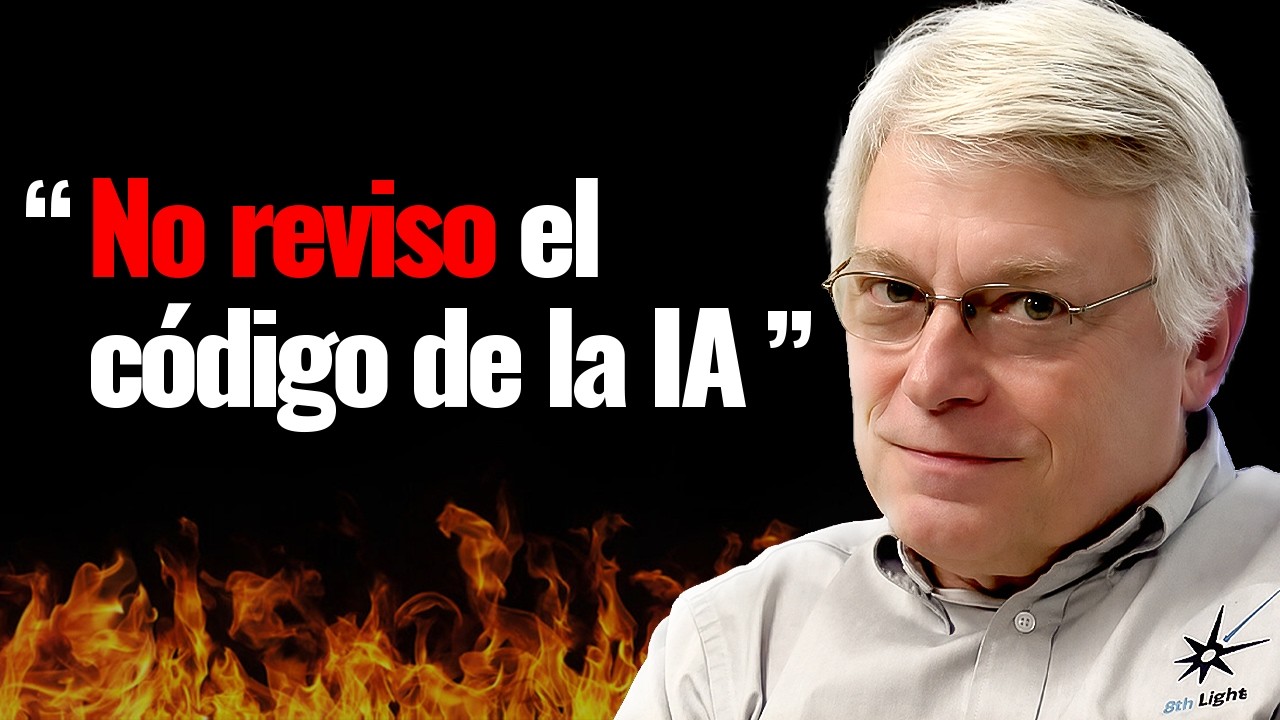
Meta va convertir milers de treballadors en entrenadors forçosos de la IA i va registrar cada clic per fabricar els seus substituts? El vídeo de MonkeyExplains presenta aquesta tesi amb humor, xifres enormes i una metàfora recurrent: una divisió d’IA que alguns empleats haurien comparat amb un «gulag».
El nucli de la història està documentat: Meta va desplegar als ordinadors corporatius dels Estats Units el Model Capability Initiative (MCI), un programa que capturava activitat per ensenyar a agents d’IA com treballen les persones. Més de 1.600 empleats van signar una petició i l’empresa va acabar pausant el sistema per revisar-ne la privacitat i la seguretat. Altres conclusions del vídeo —que Meta no té «res a mostrar» o que gasta 145.000 milions només en IA— necessiten matisos.
1. De la polèmica de Llama 4 al canvi de direcció
A 00:45, el vídeo recupera la controvèrsia dels benchmarks de Llama 4. Meta va publicar resultats obtinguts amb configuracions o versions diferents i la presentació es podia llegir com si un sol model hagués aconseguit tots els registres. Yann LeCun, antic científic en cap d’IA de l’empresa, va descriure posteriorment els resultats com a lleugerament «retocats».
Un benchmark no és inútil perquè s’optimitzi una configuració per a cada prova, però la comparació deixa de ser neta si aquesta diferència no és visible. La lliçó no és que tots els resultats siguin falsos, sinó que cal exigir el model exacte, el prompt, el maquinari, el nombre de mostres i una avaluació reproduïble.
El vídeo utilitza l’episodi com a prova d’una crisi general. Això és una inferència: una mala comunicació de benchmarks pot revelar pressió interna, però no permet mesurar per si sola la qualitat de tota la recerca de Meta.
2. L’aposta per Alexandr Wang i Scale AI
A 02:22, MonkeyExplains explica que Meta va invertir 14.300 milions de dòlars a Scale AI i va incorporar-ne el fundador, Alexandr Wang, per liderar el nou esforç de superintel·ligència. L’operació va donar a Meta una participació del 49%, mentre Scale continuava com a empresa independent.
El narrador presenta els 28 anys de Wang i la seva manca d’experiència dirigint un laboratori tradicional com una aposta imprudent. També es pot llegir d’una altra manera: Scale havia construït infraestructura i operacions de dades per a nombrosos laboratoris d’IA, una competència central quan el coll d’ampolla passa de recollir Internet a crear dades d’alta qualitat.
Cap de les dues lectures garanteix el resultat. El preu de l’operació, la sortida de talent anterior i la reorganització mostren urgència; l’èxit s’hauria d’avaluar amb productes, qualitat, costos i adopció sostinguda.
3. Què significa realment la previsió de 145.000 milions
A 03:59, el vídeo diu que Meta gastarà prop de 145.000 milions «en IA» durant el 2026. La xifra existeix, però la categoria és més àmplia. Als resultats del primer trimestre, Meta preveia entre 125.000 i 145.000 milions de dòlars de despesa de capital, inclosos pagaments principals d’arrendaments financers.
L’empresa ho relaciona amb components i capacitat futura de centres de dades, bona part útil per a IA, però no és el mateix que una factura exclusiva d’entrenament de models. La infraestructura també suporta recomanacions, publicitat, emmagatzematge i serveis de Facebook, Instagram i WhatsApp.
Meta, a més, no és una companyia sense ingressos. En aquell trimestre va declarar 56.310 milions de dòlars d’ingressos, un 33% més interanual, i 26.773 milions de benefici net. El risc és que la inversió futura no produeixi el retorn esperat, no que avui l’empresa no tingui negoci.
4. «Drafties»: reassignacions per crear dades expertes
A 05:44, el narrador descriu enginyers i responsables de producte traslladats a tasques com redactar problemes de programació o exemples que els models no poden obtenir fàcilment del web. Alguns s’haurien anomenat drafties, és a dir, reclutats contra la seva preferència.
Fer que especialistes produeixin demostracions pot generar dades millors que externalitzar l’etiquetatge. El conflicte apareix quan el canvi de rol és obligatori, poc transparent o percebut com una degradació professional. El vídeo dona xifres concretes sobre reassignacions i equips afectats basades en informacions internes; Meta no ha publicat un registre complet que permeti comprovar-les totes.
Dir «gulag» és la comparació atribuïda a una persona descontenta, no una descripció literal del lloc de treball. La paraula comunica malestar, però no hauria de substituir l’anàlisi de condicions, consentiment i drets laborals.
5. Com funcionava el Model Capability Initiative
A 09:03, el vídeo entra en la qüestió més important. L’MCI registrava interaccions als ordinadors de feina —com pulsacions, moviments del ratolí, clics i contingut de pantalla— perquè els models aprenguessin a executar tasques informàtiques observant fluxos reals.
Meta sostenia que les dades s’utilitzarien per desenvolupar capacitats d’IA i que el programa disposava de salvaguardes. Els empleats van plantejar riscos evidents: missatges personals oberts en un dispositiu corporatiu, credencials, dades de clients, informació mèdica, codi sensible i la possibilitat que el material s’utilitzés per avaluar rendiment.
Que l’ordinador sigui propietat de l’empresa li dona facultats de supervisió, però no resol automàticament els principis de minimització, finalitat, seguretat i informació clara. Un sistema d’entrenament necessita excloure secrets, limitar accessos, definir retenció i permetre auditories.
6. La protesta, les pauses de 30 minuts i l’aturada
Més de 1.600 treballadors van donar suport a una petició contra el programa. A 10:00, el vídeo explica que Meta va permetre pauses de 30 minuts, una resposta que els crítics consideraven insuficient.
La companyia va pausar posteriorment l’MCI després de detectar que dades sensibles podien haver quedat accessibles en taules internes. Segons la resposta pública de Meta, no hi havia indicis que empleats hi haguessin accedit de manera indeguda i la pausa servia per investigar i reforçar les proteccions.
Això diferencia risc de dany comprovat. Hi va haver una exposició potencial i un problema de confiança; no s’ha publicat evidència que tota la informació fos robada o utilitzada per acomiadar persones. L’article més rigorós ha de conservar aquesta distinció.
7. Té Meta «res a mostrar» per tota aquesta inversió?
A 12:42, el vídeo qüestiona els més de mil milions d’usuaris mensuals que Meta atribueix al seu assistent, perquè està integrat dins d’aplicacions que ja tenen una audiència enorme. És una crítica metodològica vàlida: exposició, ús ocasional, consulta voluntària i retenció setmanal no són la mateixa mètrica.
Però afirmar que no hi ha cap producte ignora Meta AI, Llama, sistemes de recomanació, eines publicitàries i dispositius amb assistent. La pregunta útil és quin ús és incremental, quant costa servir-lo, si millora el negoci i si les persones el busquen o simplement el troben incrustat.
Conclusions
El vídeo encerta en assenyalar un cas seriós de governança: una empresa que vol entrenar agents amb l’activitat dels seus treballadors necessita consentiment laboral aplicable, límits tècnics i una seguretat excepcional. La petició i la pausa de l’MCI mostren que Meta no va generar prou confiança.
La resta demana separar fets de retòrica. Els 145.000 milions són una previsió de capital global, «gulag» és una protesta interna i mil milions d’usuaris mensuals no proven ni fracàs ni èxit. El problema confirmat no és que Meta hagi demostrat que substituirà tots els empleats, sinó que va intentar convertir el seu treball quotidià en dades d’entrenament sense resoldre abans les objeccions de privacitat.
Contrast i context
Fonts consultades
-
01
MonkeyExplains Meta's Disturbing AI "Gulags"
- 02
-
03
Meta Investor Relations Meta Reports First Quarter 2026 Results
-
04
Associated Press Meta invests $14.3B in Scale AI and recruits Alexandr Wang
Font de treball
Transcripció amb marques de temps
Consulta la transcripció
-
0:00
, obre el vídeo en una pestanya nova
This is Mark, and he has got a huge problem. See, Mark's one of the godfathers of the Silicon Valley Mafia, currently running meta, or formerly Facebook. And being the big tech entrepreneur he is, Mark sniffs out a trend that'll make him and his company millions. Hell, potentially billions of bananas over the years. So under Mark's infallible leadership, meta announced a proud shift to being an AI-first social media network. Genius. Except, things aren't going too hot at the social network that revolutionized the 21st century. Because here's the thing, meta didn't have the capabilities of its AI competitors, like Google, Open AI, and Thropic and so on. So what do you do when you don't have the goods? Easy, you fake it till you make it. Wait, what? See, in April last year, meta dropped Lama 4. Their big flagship AI model. The benchmark scores made it look like a genuine certified
-
0:54
, obre el vídeo en una pestanya nova
and chatGPT contender. Except, just don't look too hard because these scores weren't real. Take a look at this, MetaZone outgoing chief AI scientist Jan, who'd been there for over a decade, actually admitted on record that the results were quote, fudged a little bit. Turns out the team quietly ran different versions of the model on different tests. Then Cherry picked whichever score looked best and slapped it all into one table like a single model had ace everything. Imagine taking a driving exam and swapping with Max for step in at the first red light. Gigabrain move for sure. Except, the examiner sitting shotgun wasn't too happy with this, and Jan's expose made Mark Furious too.
-
1:35
, obre el vídeo en una pestanya nova
So Furious, he sideline the entire team responsible for the embarrassment. Who could have seen that coming? But that's not all, because while all this jacanary is happening in the foreground, meta is quietly on track to spend close to 150 billion bananas this year on AI alone, pouring more into AI and almost any other company in the jungle. And yet, through all that, Mark can't seem to get anyone to use Meta's AI tools. Hundreds of billions spent with nothing to show for it. And the worst part is that Mark is showing no signs of slowing down spending any time soon. The question is why? This is financial bullshittery, the Meta AI Division dumpster fire explained. So back to Mark's little fudging problem,
-
2:19
, obre el vídeo en una pestanya nova
because getting caught faking your own benchmarks is bad. But this wasn't enough to stop Mark, no, no. This is all but a bump in the road for our little lizard overlord. Instead he did with any stable, mentally sane billionaire CEO does when they're facing problems. He went shopping for AI businesses. For acquisition. Because Mark, in the light of that little AI benchmark controversy, decided to casually spend 14.3 billion bananas buying a data labeling start-up called scale AI. to install its 28-year-old CEO as the brand new head of Metas Entire AI Operation. Let that sink in. 14 billion bananas. Just to install someone who'd never run an AI research team in his life as the head of Metas AI operations. Out with the old, and in with the new, right? Well, not quite, because Jan, the monkey who just blown the whistle on the whole benchmarking Fiasco didn't exactly take his pink slip lying down either. On his way out the door, he called his replacement inexperienced, said he had no experience
-
3:22
, obre el vídeo en una pestanya nova
with research or how you practice research, and then left meta entirely to go start his own AI company. So picture that scene, the monkey who spent over a decade building meta's AI division, walking out, looking back over his shoulder, and telling the world the 28-year-old left holding the keys doesn't actually know how to drive. And the wildest part, that 14 billion banana sale wasn't the end of Mark Spending Spring. Mark was just getting started. Original plan for this year? Spend somewhere between 115 and 135 billion bananas on AI. But Mark looked at that number and thought, not enough. Mom had didn't raise a broke boy after all. Right? So here's the new plan. 145 billion bananas, casually adding 10 billion bananas on top of the existing budget. Oh, and also, add on a pledge to spend 600 billion bananas on AI infrastructure in the US jungle alone by 2028.
-
4:23
, obre el vídeo en una pestanya nova
That's a lot of bananas. But as we've seen before, Mark doesn't have the best idea of what to do next after collecting his receipts. Because think about it. Where's all that going? He's glad you asked because behold, Mark's AI endgame or as he calls it, personal super intelligence. Okay, so it's just more AI got it. But what's scary is that despite the vague product, it is somehow apparently worth more than the GDP of most jungles on Earth. This makes zero sense, and how it's being built is even stranger than the 600 billion price tag. So let's start with the numbers because with that kind of budget, Mark should be able to just, you know, buy the talent he needs, right? But here's the thing with Mark. He's hell bent on keeping his lost streak alive, and he doesn't intend to stop anytime soon. So, instead of buying talent, Mark decided to draft it. Damn, we really getting AI conscription before GTA 6, huh? But to Mark, the math made sense. Why pay outside Monkeys' top and Anna to train your AI when you've already got thousands of Monkeys sitting right there on payroll? And the way Mark went about this is just hilarious if it wasn't so disturbing.
-
5:38
, obre el vídeo en una pestanya nova
So picture this. You show up to work on a Monday, open your inbox, and there's an email waiting. Congratulations! You've been reassigned to a brand new department. Your options are, report for duty or quit. Very cool. This happened to roughly 6,500 meta engineers and product managers, which is roughly 10% of meta's entire workforce. But that's only half the story because the job they got drafted into, building rockets, curing diseases, something cool at least. Nope, writing puzzles, coding problems. Busy work designed purely to feed Mark's AI models data they couldn't scrape off the internet. Naturally, going from working on actual products monkeys use to this, we'll save to say many weren't too happy about this, and even started calling themselves quote, Drafties, and one of them put it plainly, calling Meta's AI Division a Gulag. Now, if you're thinking, surely that's just one unlucky department, right?
-
6:37
, obre el vídeo en una pestanya nova
Surely Mark didn't get the whole company for this, you're right. But not by much, because by some estimates, Up to half the engineers on Meta's core product and security teams got swept into this monolith known as Meta's AI division. Meaning one in every five or six monkeys at Meta may now be labeling data full time as their entire job. And when you ask Mark why he didn't just hire actual contractors to do this grunt work. Like his Silicon Valley mafia Compodrez would. His reported answer was that his The own employees have significantly higher intelligence than outside contractors. So, congratulations, I guess? Hell, the mood got so bad that companies owned chief product officer had to go on an internal call and describe the vibe as brutal. Ouch. The funniest manifestation of this has to be during a live streamed employee-only presentation where someone hijacked the mic. Then launched into a full meltdown. Standing everyone in the room tell a senior AI executive he was, quote, and we're paraphrasing slightly so we don't get smited by the algorithm, a piece of excrement.
-
7:44
, obre el vídeo en una pestanya nova
One presenter reportedly just put their face in their hands. Monkeys' specs they were trying their best not to laugh or cry. Not sure how they'd feel being on the front lines of the AI conscript wars. At this point, it's pretty safe to say this thing is a massive dumpster fire. solidifying Marx's law streak for another month in a row. Some monkeys are just built different. So different, in fact, that even the shareholders are getting frustrated at Marx's banana burning antics. And when questioned about how much funding met as AI division is burning through, all mark had to say is, it's a very technical question and refused to elaborate. Sometimes monkey wonders if all these big tech players love AI so much that they start responding like one. The jokes aside, you'd think, with all that money and all that drafted talent, Meta would at least have something to show for it. They don't. And the way Marx trying to fix that, that's where this story goes from disturbing to straight up dystopian, because remember those self-proclaimed AI drafties?
-
8:49
, obre el vídeo en una pestanya nova
They're not just being used to feed data to Marx's AI ambitions. They're the training data themselves, because they're being watched every single one of them. See this whole time, Meta's been quietly running a little program called the Model Capability Initiative. Armless Name, but the reality is far from it, because what it actually does is log your keystrokes, your mouse movements, every click, why? So Mark's AI agents can learn how monkeys actually use computers, by watching real ones do it. Meta's official line was that this data wouldn't be used for any other purpose. Right, and we're supposed to believe the company that refuses to clamp down on the millions of bananas from Chinese fraudsters that they'll do the right thing? Monkey isn't so sure about that. Now, naturally, the monkeys being watched had questions. Like, can I opt out of this? So someone asked Meta's CTO directly, and his answer was simple. No, there is no opt out. Not if it's a company device. The reaction to that internally was reportedly a flood of crying, shocked, and angry emoji reactions. reactions, which fare. One employee told reporters the whole thing felt very dystopian. Another one, a former employee, summed it up even better.
-
10:03
, obre el vídeo en una pestanya nova
This was just the latest way meta was shoving AI down everyone's throat. And here's the kicker that makes this genuinely unsettling. These monkeys aren't just worried about privacy. They're worried they're personally building the exact tool that replaces them. Every click they make is a training example for the AI that's supposed to do their job. Master, cheaper, and without days off. Over 1,500 employees signed a petition demanding MetaKill the program. Meta's response, a small mercy. Employees now have the privilege to pause the tracking for 30 minutes at a time. What are we even doing here? But then it got worse. Because shortly after, Meta discovered that some of this deeply personal, deeply invasive employee data had potentially been left accessible to anyone inside the company.
-
10:52
, obre el vídeo en una pestanya nova
Anyone. That's when Meta finally hit pause on the whole program. And if you believe their corporate spokes monkeys, it's all because of quote privacy concerns. Where was that when your own employees were begging for you to stop? No, they didn't shut it down because it was the right thing to do. If monkey was a betting primate, they only backtracked because they got caught leaving the door open. And think about it. If this is the kind of security Meta's own employees can expect, God only knows what's happening behind the scenes for the billions of monkeys using Meta's apps every day. Which is also why Monkey uses proton male and drive, because they offer end-to-end encryption, meaning that your files, emails, and conversations stay well and truly your own. Look, with big tech companies hungry for every morsel of data they can extract from the common monkey, it's more important than ever to take your privacy seriously. Monkey did his own fair share of traveling this summer, so having my passport, boarding passes, and other important documents securely saved on Proton Drive gives me peace of mind that my
-
11:53
, obre el vídeo en una pestanya nova
data isn't being misused. Plus being on vacation with the fam means lots and lots of photos. All kept safe and secure with Proton Drive's zero access encryption. And that goes with sharing too because you can also password protect all files you share. So instead of sending photos or documents directly, you can make sure only monkeys you choose get to see your precious data. Finally, Proton has also been a long time friend of the channel, which should tell you all you you need to know about how seriously they take privacy, so download Proton Drive and Mail together for free today by clicking the link in the description or pinned comment below. Thank you Proton for sponsoring this video. All that aside, while it's funny to point and laugh at Mark's ever-growing lost streak in the big tech space, the reality is much more sinister. See, Mark loves to tell everyone meta-AI has almost one billion monthly actively. Sounds massive, right? Sounds like he's actually winning this thing. Except, just like the benchmarks, the numbers don't tell the full story, because his word choice actives is doing a lot of heavy lifting. See, those aren't monkeys who chose to use meta-AI. Those are monkeys who happen to see it pop up in their Instagram search bar, or get nudged by it inside WhatsApp, while trying to do literally anything else.
-
13:09
, obre el vídeo en una pestanya nova
It's like saying everyone comes to visit Bali because hundreds of thousands see ads about it every day. And even then, the inflated numbers mark comes up with aren't even that amazing. Because compare that to ChatGPT, which has roughly 900 million weekly active users. The key difference is that monkeys actually chose to go on to ChatGPT. 900 million weekly users versus 1 billion monthly actives. The former is customers actually choosing you while the latter is your customer's tolerating you. Big, big difference. And it gets worse. Because if you actually look at app download numbers, the real monkeys are choosing to download this on their own numbers. Meta AI is pulling in less than 2 million downloads a month. After 600 billion bananas pledged, drafting thousands of employees and training their own AI off their employees usage behaviors. At the end of all that, Mark's left with nothing to show for it. All the while laying off thousands and probably the worst economy for job seekers, burning
-
14:12
, obre el vídeo en una pestanya nova
through hundreds of billions, and plunging the world even deeper into the AI bubble no one asked for. Monkey is tired of this bullshit. So the next time you see Meta's AI division in the news, you'll know what's truly happening behind the scenes. For legal reasons, this video is all just the ramblings of a paranoid schizophrenic about monkeys in a make-belief jungle. Please do not sue monkey and a warm thanks to the generous members of the banana republic for bankrolling these videos. You're all truly wonderful. Stay safe and we'll see you again in our next video.