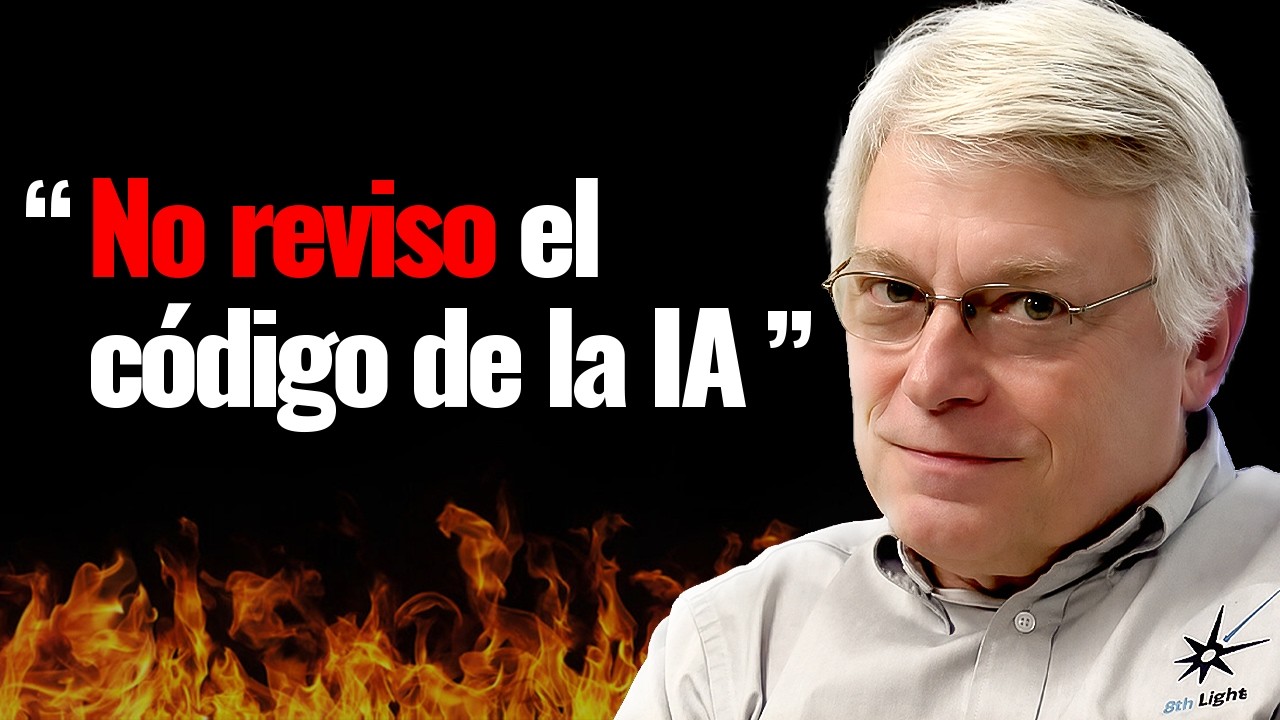
La cursa de la IA també es juga a la xarxa elèctrica
Els EUA lideren en xips i models, però la Xina construeix energia i transmissió més de pressa. Comparem xarxa, centres de dades i límits d'aquesta tesi.
Sense electricitat no hi ha cursa de la IA
Caleb Writes Code planteja una aparent contradicció: els Estats Units lideren bona part dels xips, la infraestructura digital, els models i les aplicacions, però la seva xarxa elèctrica té dificultats per connectar centres de dades gegants amb la velocitat que reclama la IA. La Xina, amb planificació central i molta transmissió d'ultraalta tensió, sembla tenir un avantatge físic.
La tesi és útil, però el títol «desavantatge» necessita matisos. Els EUA no tenen una sola xarxa ni un únic procediment, i la Xina tampoc converteix cada mandat en electricitat ben utilitzada. Producció, transmissió, preu, fiabilitat, aigua, xips i eficiència interactuen.
Les dades oficials confirmen l'escala del repte. El Departament d'Energia calcula que els centres de dades van consumir un 4,4% de l'electricitat nord-americana el 2023 i que podrien arribar al 6,7–12% el 2028. Una actualització posterior situa l'escenari central prop de l'11,8% el 2030.
De desenes de megawatts a campus de gigawatts
Un centre de dades tradicional podia demanar entre desenes de megawatts. Els campus d'IA moderns comencen sovint per sobre dels 100 MW i alguns plans creixen cap a un o dos gigawatts. Aquesta potència equival a una gran instal·lació industrial i no es pot afegir a qualsevol subestació sense reforçar generació i línies.
El vídeo cita Colossus, Stargate Abilene i Meta Mesa com a exemples d'expansions grans. Les xifres anunciades són objectius per fases, no necessàriament consum continu ja connectat. Projecte, capacitat elèctrica reservada i càrrega real són mesures diferents.
El juliol del 2026, el DOE va seleccionar una proposta d'Amentum per negociar un centre d'1 GW a Savannah River amb uns 2 GW de generació local. És un exemple posterior al vídeo de com els EUA intenten unir centre i energia des del disseny.
Per què connectar-se a la xarxa és lent
Als EUA intervenen empreses elèctriques, operadors regionals, reguladors estatals, FERC, propietaris de terreny i autoritats locals. El preu majorista pot dependre de la congestió i del cost marginal local. Una nova càrrega enorme pot exigir generació més cara o obres que obren una disputa sobre qui paga.
La fragmentació protegeix competències, propietat i participació local, però dificulta una ordre nacional única. Texas és especial perquè ERCOT opera principalment dins l'estat i té menys interconnexió síncrona amb la resta del país. Això pot accelerar algunes decisions, però també limita l'ajuda exterior durant una crisi.
La cua no és només de centres de dades. Lawrence Berkeley ha documentat terawatts de projectes de generació i emmagatzematge esperant interconnexió. Una central solar a la cua no és capacitat disponible fins que supera estudis, finançament i construcció.
Darrere del comptador i fora de la xarxa
Una opció és situar el centre al costat d'una central i connectar-lo «darrere del comptador». AWS i Talen van proposar ampliar la càrrega associada a la central nuclear de Susquehanna de 300 a 480 MW. FERC va rebutjar l'acord modificat el 2024 per qüestions de tarifa i fiabilitat.
El cas no va acabar en una prohibició general. El 2025 les empreses van acordar passar a una configuració «davant del comptador» a partir de la primavera del 2026. Aquesta evolució, posterior a molts resums, mostra que regulador i empreses busquen estructures que assignin millor costos i responsabilitats.
Altres projectes proposen gas, nuclear, geotèrmia o renovables amb bateries dins o a prop del campus. Construir generació pròpia redueix dependència de la cua, però encara necessita permisos, combustible, connexions de reserva i controls ambientals. «Fora de xarxa» no significa fora de tota regulació.
«Dades de l'est, càlcul de l'oest»
La Xina va aprovar el 2022 vuit nodes nacionals de computació i deu clústers de centres de dades. L'estratègia trasllada entrenament i treballs menys sensibles a la latència cap a regions occidentals amb més terreny i energia, mentre manté serveis immediats prop de les ciutats orientals.
La Comissió Nacional de Desenvolupament i Reforma ho compara amb grans obres de transport d'aigua, gas i electricitat. La coordinació central pot reservar sòl, fixar objectius d'eficiència i alinear empreses estatals. També permet planificar computació i electricitat com una infraestructura conjunta.
No tot es pot moure a milers de quilòmetres. Una consulta interactiva, una borsa o una aplicació industrial poden exigir latència baixa. La transferència de dades consumeix xarxa i planteja qüestions de sobirania. La divisió est-oest funciona millor per a entrenament per lots, còpies i tasques ajornables.
Les línies UHV són un avantatge real, no màgic
La Xina ha construït desenes de corredors d'ultraalta tensió per transportar diversos gigawatts des de zones de producció cap als centres de consum. El vídeo cita més de 25.000 milles i la línia Xiangjiaba-Xangai de 6,4 GW. Aquestes magnituds expliquen per què pot connectar recursos llunyans a una escala poc habitual als EUA.
Transportar energia a molta tensió redueix pèrdues relatives, però no crea electricitat ni emmagatzema excedents. Les províncies receptores poden preferir generació local per ingressos i seguretat, i una línia pot quedar infrautilitzada si els incentius no coincideixen.
Als EUA, construir un corredor llarg travessa jurisdiccions i propietats. El DOE ha actualitzat el seu estudi de necessitats de transmissió per incorporar centres d'IA i nova indústria, senyal que el problema ja és política federal, no només una preocupació privada.
Eficiència: l'altra meitat de l'equació
Caleb recorda que la demanda no depèn només del nombre de models. GPU noves, xarxes, refrigeració, agrupació de racks i arquitectures com els models d'experts poden produir més tokens per unitat d'energia. Una millora d'eficiència pot retardar una ampliació.
També pot aparèixer l'efecte rebot: si cada consulta costa menys, les empreses n'executen moltes més. Les projeccions del DOE varien tant perquè no se sap quants acceleradors es vendran, quin ús tindran i quina rapidesa guanyarà cada generació.
La comparació entre països tampoc pot reduir-se a megawatts. Els EUA controlen acceleradors avançats que la Xina té dificultats per importar; la Xina fabrica molta infraestructura energètica. Un país pot compensar menys energia amb més rendiment per xip, i l'altre amb més capacitat física o models eficients.
Avantatge estructural, resultat encara obert
La Xina parteix amb una capacitat superior per ordenar i construir grans corredors. Els Estats Units tenen més fricció institucional i cues llargues, però també capital, tecnologies energètiques i centres que ja financen generació pròpia. Cap factor garanteix qui liderarà la IA.
La pregunta útil no és només quants gigawatts anuncia cada campus. Cal saber quan estaran connectats, qui pagarà la línia, quina energia funcionarà les 24 hores i quin impacte tindrà sobre els abonats. La rapidesa que beneficia un centre pot traslladar costos a una comunitat.
El vídeo encerta a posar l'electricitat sota el focus. La IA sembla programari, però creix com una indústria pesada: ocupa terreny, consumeix aigua, compra turbines i necessita xarxes que triguen anys. La cursa dels models també és una cursa per planificar infraestructura sense sacrificar fiabilitat ni preu.
Contrast i context
Fonts consultades
-
01
YouTube — Caleb Writes Code Why USA is disadvantaged in AI Race
-
02
YouTube Canal de Caleb Writes Code
-
03
U.S. Department of Energy Consum actual i projeccions dels centres de dades
-
04
U.S. Department of Energy Dades i mesures actualitzades per alimentar centres d'IA
-
05
U.S. Department of Energy Projecte d'1 GW amb generació local a Savannah River
- 06
-
07
U.S. Department of Energy Estudi nacional de necessitats de transmissió
- 08
- 09
Font de treball
Transcripció amb marques de temps
Consulta la transcripció
-
0:00
, obre el vídeo en una pestanya nova
One of the biggest questions that seems to float around is why the US is so much behind in energy that powers data centers compared to China. I mean, beyond the energy layer, the US simply dominates on chips, infrastructure, models, and applications. How come the US is at a big disadvantage when it comes to energy production and transmission compared to China? Welcome to Caleb Bright's Code, where every second counts. Quick shoutout to Plaud, more on them later. We can't really talk about AI without talking about electricity. And while most of us deal with AI on the application layer, there's a huge stack underneath that powers innovation up here, and energy is something that most of us take for granted. Now, at the highest level, the difference in energy between US and China is just how fragmented the US jurisdiction is compared to China. And even among this fragmented jurisdiction, you have different governing entities that are responsible at various phases to get the project moving. China, on the other hand, is centralized by design. The State Council commissions two agencies that sets targets, approve pricing, and align priorities with each state and local government to establish their energy network. So, given these structural differences between two
-
1:11
, obre el vídeo en una pestanya nova
countries, one way to look at it is that US is driven by executive order, and China is driven by mandate. In other words, if at the end of the day, we need to expedite the growing need for data centers for AI, it all comes down to incentive. How can we best incentivize at the country level so that they're not falling behind in building out generators and transmission to power these data centers? Let's first look at the US. Because in the US, there's no single entity that govern the need for power and mandates the state to follow. For that reason, the US is considered to be reactive rather than proactive. In other words, as demand for AI started to pick up around 2022 during the Biden administration, we had to work within the incentive structure that had been put in place to power these data centers. And unlike traditional data centers that we have already built in the past that are typically in the range of 30 to 80 MW, data centers for AI typically need at least 100 MW in power because in comparison, the mix of computing devices are so GPU heavy which are inherently more power hungry and require more cooling by nature. Keep in
-
2:22
, obre el vídeo en una pestanya nova
mind though that this mix is also changing yet again as AI gentic use cases start to blend the devices back into the data centers like CPU, storage, and networking into the pot structure. But the point of comparing these two in the first place is to show you how much power that's needed for AI data centers in comparison. Colossus 1, Stargate Abilene, Meta Mesa are all examples that show just how much power that's needed for AI and their expansion plans to go up to 1 to 2 GW. So then the question here is how big techs like Google, SpaceX, Meta, and OpenAI all happen to work around this very fragmented jurisdiction to power their data centers. One of the fastest ways is by just tapping into the existing power grid. Now doing it this way will get a lot of people surrounding the data center really angry since here in the US the price of electricity is determined by what's called locational marginal pricing or LMP. Basically, by its merits where price of electricity is bid by different power plants that generate electricity through various means. And grid operators then source them by merit order to determine the cheapest and a batch of them gets chosen at a set price
-
3:35
, obre el vídeo en una pestanya nova
with marginal cost. This way it incentivizes competitive and stable pricing among competitors. And the utility companies then purchase them from grid operators and serve them to residential and business needs. So if an AI data center now suddenly inserts themselves into this mix, it'll cause sort of a circuit breaker moment where how we source electricity from power plants will keep going down the list lower and lower for higher pricing. Now, another way to get around this is by simply getting behind the meter and make a private deal with an already built power plant to provide power to the new AI data center right next to it with a private line. And that's exactly what happened with AWS data center co-located in Talen Energy Susquehanna power plant until the federal entity downright rejected their expansion plan going from 300 MW to 480 MW behind the meter. This created sort of a shock that discouraged others who were trying to do the same thing. Another method you can use instead is just strategically building your AI data centers in locations with the least resistance and biggest support. States like Texas, Louisiana, Ohio, and New Mexico are popular areas and in fact, a lot of data centers are
-
4:47
, obre el vídeo en una pestanya nova
currently built around these areas. Texas by far is the most unique state because unlike other states that typically have federal oversight as electricity crosses borders between states, Texas is somewhat intentionally isolated. And that's exactly what you'll find when you look at the governing bodies within the US for power transmission: Eastern Interconnection, Western Interconnection, and ERCOT where ERCOT can largely operate outside of FERC or I call it Ferk since most of their AC powers don't cross borders. Now, one of the popular methods that have been used by Big Techs is just simply going off grid. In other words, instead of relying on existing power grid across the country, maybe instead you could just simply build a power plant right next to your data center. This way, you can just bypass all the headache that goes into construction. While on paper this seems like the simplest method, building power plants has a strong connection to the legislation at the executive level. I mentioned earlier how the US incentivizes by executive order and China incentivizes by mandate. And the keyword here to latch on here is the word incentive. Building a power plant is a capital intensive business and anytime you're asking investors to spend
-
6:03
, obre el vídeo en una pestanya nova
that much, you need a strong push from the government in forms of tax credits or expedition or deliver support and frankly probably all of the above. For example, when you look at the mix of different portfolios of how power is generated from conventional energy like coal, oil, natural gas, diesel, and nuclear to renewable energy like wind, solar, hydro, and geothermal, you have to decide what source of energy will be driving your power needs. And the Biden administration, for example, pushed heavily for clean energy and gave huge incentive for renewable energy as a source, specifically wind and solar. While the current Trump administration repealed Biden's executive order entirely and labeled them unreliable and have pushed for a broader mix of energy in favor for domestic sources. The most popular methods, however, seems to be natural gas given its reliability, unlike wind and solar that can't be dispatched based on demand 24/7. And even among these portfolios of energy sources, the capital needed can be varied across various stages as well. For example, painting with a broad stroke, renewable energy tends to require more capital upfront and less capital to operate once they're built. Whereas conventional energy tends to be less capital upfront but heavy capital
-
7:23
, obre el vídeo en una pestanya nova
during operation with the exception of nuclear. So this can certainly affect different types of investors that are willing to fund these operations. So taking a step back and looking at the entire landscape of the US, while beautiful in its independence and distribution of power, the system isn't exactly built for speed. That's not to say that we are systematically set back per se, but it just requires more streaming upstream to build out the data centers faster that will eventually easily need 1 to 2 gigawatts power in 2028 to 2030 per site. Okay, so what about China? We just talked about the complexity of the US in power generation and power transmission. How does it look different in China? But first, here's a quick note from Plaud sponsoring this video. Here's the thing, as a content creator, I'm always interviewing people and going in and out of meetings, and I often forget the key details and the ability to search and recall my conversations. I tried different apps on my phone, but they not only drain my battery, but it can often be interrupted by other apps on my phone. Thankfully, Plaud Note Pro is a lightweight AI assistant that just snaps to the back of
-
8:27
, obre el vídeo en una pestanya nova
my phone with a long-lasting battery life. Now, I can just click this button to start recording and leave it running for hours and hours and focus on my conversation knowing Plaud has my back covered. What's great is that I can go to my app on my phone to get a full transcription and also use AI to summarize them using hundreds of different templates depending on what my ideal output should look like. I can also sync them to the web to view them or even use their chat mode to search through all my notes. And that's what really changed things for me, being able to talk to my AI assistant about my previous conversations. For privacy, they're HIPAA, GDPR, and SOC 2 compliant, and now I can bring Plaud with me as an extension to bring life to all my conversations. Link in the description below now with 30-day return policy if it's not for you. China's jurisdiction is more centralized compared to the US. While the systematic benefit doesn't automatically translate to a better outcome by default, it does make it a lot easier to scale their infrastructure. In fact, China has been working on what's called Eastern data, Western compute since early 2022 where
-
9:29
, obre el vídeo en una pestanya nova
you set up eight different hubs in 10 different data centers. Since the East Coast has a huge demand for data and inference and higher speed, and the data centers in the west can be used more for AI training and batching work that are more computer heavy. For example, you have companies like Alibaba Cloud, Apple, Huawei, China Mobile all pulling from the Inner Mongolia hub. Tencent, Apple and more are pulling from Guizhou hub. And this kind of separation allows heavy workloads to be close to where power is abundant and vice versa. But generation is one part of the equation and transmission is another. And we just seen how difficult it is in the US as soon as we're talking about power transmission from state to state. But in China, they built more than 25,000 miles of UHV lines or more than 38 UHV projects which can carry really high voltage for a long distance. For reference, UHV or ultra high voltage lines are this massive structure that can carry 800,000 volts or more which is easily two to four times more power it can carry compared to a more traditional line and allows power to travel a longer distance. And because power can't be
-
10:40
, obre el vídeo en una pestanya nova
stored well given our current technology, they typically need to be sent out right away to where it's being used right now. A good example is Xiangjiaba-Shanghai line that has almost 4,000 of these pylons across a huge line that carries up to 6.4 gigawatts of power that can meet up to 40% of Shanghai's power demand. Pretty crazy stuff. And China's got nearly 40 of these projects in place. Meanwhile in the US, we not only built very few of these, you can see in this chart how since 2013, lines that carry over 500 kilovolts are basically non-existent let alone 345 kilovolts. And not only that, the US has a huge backlog of power plants that are just waiting for transmission to be connected. A good majority of them are from renewable energy that adds up to more than two terawatts capacity that's just waiting. The advantage that China has here is that if China wanted to build a transmission line from let's say LA to New York, but in their case, let's say from Xinjiang to Shanghai, the authority is centralized to a single entity that plans, gathers capital, and operates it. Now, in reality though, things aren't this smooth sailing as it appears on
-
11:50
, obre el vídeo en una pestanya nova
paper. Just because capacity is there, doesn't mean provinces that have access to them on the receiving end want to use the imported electricity from other provinces. Now, the actual Chinese politics on the tension between provinces that compete for their own GDP contribution is fairly well documented as you read about the cadre system in CCP if you want to read more about how the incentive structure for this works. So, looking at two countries side by side, is the US behind in China in energy? Structurally speaking, China certainly has the upside and the existing infrastructure to tap into to operationalize their data centers faster. And here in the US, certainly from hyperscalers and Big Tech, we're working around this complex and fragmented system to strategically locate our data centers to work with the system to get the data centers built faster. And the projection is somewhat all over the place in terms of where the future forecast looks like in terms of how much energy we're going to need for data centers by 2030. But, we are just at the beginning of this rising curve. Similar story for China as demand for AI data centers is expected to grow incredibly high, which will need more
-
13:00
, obre el vídeo en una pestanya nova
and more of these power generators and transmissions to support this at a national level. Even going back to the AI five-layer cake analogy, it's not just about the provision of energy as chips are actually becoming more efficient, allowing us to do more with the same amount of energy using newer chips that China just doesn't have access to, but only here in the US labs. And even at the infrastructure layer, racks and coolings are becoming more energy efficient with pod-scale architecture being adopted as a norm instead of fragmented server racks. Same thing for model architecture. Models like DeepSeek-V4, NeMo-Megatron are all demonstrating high efficiency and high throughput with the same-size models. Meaning across the entire stack, it's more of a vibrant system that all work together to push AI further and faster. I'll be posting all the references I used for this video on my X account since the research is pretty hefty. So, check out my post on X to read more on my sources if you want to know more about the details.